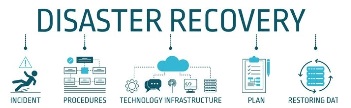
An IT disaster recovery plan (DRP) is a comprehensive, documented strategy that outlines the procedures and processes necessary for an organization to recover and protect its information technology infrastructure in the event of a disaster. Disasters can take various forms, including natural calamities such as earthquakes, floods, and hurricanes, as well as man-made incidents such as cyberattacks, hardware failures, and human errors. The primary objective of a DRP is to ensure that critical business functions can continue or be swiftly resumed after an unexpected disruption, thereby limiting the impact on operations, finances, and reputation.
A robust disaster recovery plan typically encompasses several critical components. These include risk assessment, which identifies potential threats and vulnerabilities; business impact analysis (BIA), which evaluates the effects of disruptions on business operations; and the establishment of recovery point objectives (RPO) and recovery time objectives (RTO). RPO defines the maximum acceptable amount of data loss measured in time, while RTO indicates the maximum acceptable downtime following a disaster. Together, these metrics guide the organization in formulating effective recovery strategies.
The importance of an IT disaster recovery plan is multifaceted. First and foremost, it minimizes downtime, which can be financially devastating for businesses. According to various studies, the average cost of downtime can reach thousands to millions of dollars per hour, depending on the organization’s size and industry. Every minute of unplanned downtime can lead to significant losses in revenue and damage to an organization’s reputation. A well-crafted DRP enables a company to respond promptly to incidents, thus reducing the time it takes to recover operations and resume normal business activities.
Moreover, a disaster recovery plan is crucial for data protection. Organizations store vast amounts of sensitive data, including customer information, intellectual property, and proprietary business processes. Without a recovery plan in place, organizations risk losing critical information that could take years to reconstruct. This not only affects operational capabilities but could also lead to regulatory fines and legal repercussions, especially in industries that are heavily regulated, such as finance and healthcare. Ensuring data integrity and availability is a key component of business continuity, making the DRP an essential element of any organization’s overall risk management strategy.
In addition to minimizing downtime and protecting data, having a DRP instills confidence among stakeholders, including employees, customers, and investors. It demonstrates that the organization is prepared for unforeseen events and values the security of its assets and the continuity of its services. This assurance can enhance customer loyalty and strengthen the company’s market position. In a competitive business landscape, organizations that can quickly bounce back from disruptions are often viewed as more reliable and trustworthy than their counterparts.
Furthermore, the process of developing and maintaining a disaster recovery plan fosters a culture of preparedness within the organization. It encourages employees to think critically about potential risks and their roles in the recovery process. Regular training and simulation exercises can help ensure that staff members are familiar with the plan and can execute it effectively when necessary. This proactive approach not only improves organizational resilience but also empowers employees, enhancing their commitment to the organization’s mission and goals.
In conclusion, an IT disaster recovery plan is an essential component of any organization’s risk management strategy. It serves to protect critical business functions, safeguard data, and provide assurance to stakeholders, ultimately contributing to the organization’s resilience in the face of adversity. As businesses become increasingly reliant on technology, the significance of having a well-defined and regularly updated disaster recovery plan will only continue to grow. Organizations that prioritize disaster recovery planning are better positioned to navigate the complexities of the modern business environment and emerge from crises stronger than before.
 CrisisAlert - Virtual Emergency Operations Center